



What are the main stages of the textile and apparel manufacturing process?
The textile and apparel manufacturing process involves several stages, starting from raw material preparation to the finished garment. Here’s an overview of the main stages:
1. Fiber Production
Raw Materials:
- Natural fibers: Cotton, wool, silk, flax (linen), etc.
- Synthetic fibers: Polyester, nylon, acrylic, spandex, etc.
- Regenerated fibers: Viscose, rayon, lyocell, etc.
These fibers are cultivated, harvested, or chemically synthesized depending on their type.
2. Spinning
Process:
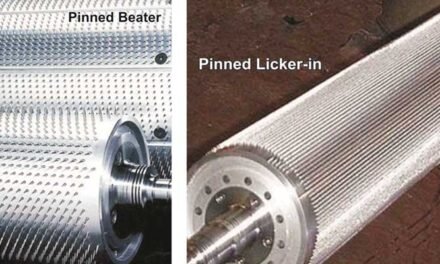
Raw fibers are converted into yarn or thread through spinning. This involves cleaning, carding, and combing (for natural fibers) or extrusion (for synthetic fibers).
Output: Yarns of various thicknesses and strengths.
3. Weaving or Knitting
Process:
- Weaving: Interlacing two sets of yarn (warp and weft) on a loom to create woven fabrics.
- Knitting: Interlooping yarns to produce knitted fabrics.
Output: Raw fabric or “greige fabric,” which is untreated and unprocessed.
4. Fabric Processing
Processes include:
- Scouring: Cleaning the fabric to remove impurities.
- Bleaching: Whitening the fabric for uniform dyeing.
- Dyeing and Printing: Adding colors and patterns using dyes and printing techniques.
- Finishing: Enhancing fabric properties, such as water repellency, wrinkle resistance, or softness.
5. Garment Manufacturing
Steps:
- Designing: Creating patterns and prototypes for apparel.
- Cutting: Cutting the fabric according to the patterns.
- Sewing: Stitching the fabric pieces together to form garments.
- Quality Control: Checking for defects and ensuring garment consistency.
6. Packaging and Distribution
Finished garments are packaged, labeled, and distributed to retailers or directly to customers.
7. Retail and Marketing
Garments are sold through physical stores, online platforms, or wholesale channels. Branding, marketing, and consumer engagement play a significant role here.


