




Synthetic Fabrics Face Scrutiny Amid Growing Environmental Concerns
Synthetic fabrics, derived primarily from petroleum-based sources, have long dominated the textile industry due to their durability, affordability, and versatility. However, growing environmental concerns are casting a shadow over their widespread use.
One of the major concerns is the significant environmental impact of synthetic fabric production. The extraction and processing of fossil fuels to produce these fabrics contribute heavily to greenhouse gas emissions, exacerbating climate change. Furthermore, the manufacturing process often involves the use of harmful chemicals, which can pollute water sources and harm ecosystems.
Another critical issue is the persistence of synthetic fibers in the environment. These materials are incredibly slow to decompose, leading to the accumulation of plastic waste in landfills and oceans. Microscopic fibers shed from synthetic clothing during washing also contribute to microplastic pollution, which poses a serious threat to marine life and the overall health of our ecosystems.
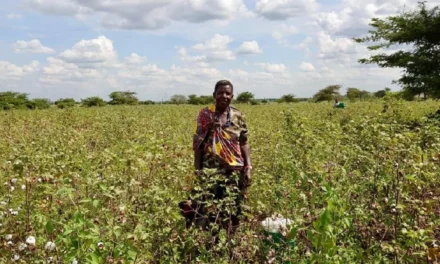
The environmental consequences of synthetic fabric production and consumption have spurred a growing movement towards more sustainable alternatives. Consumers are increasingly demanding eco-friendly and ethically produced clothing, leading to a surge in demand for natural fibers like organic cotton, linen, and hemp.
The textile industry is also responding to these concerns by exploring innovative solutions, such as developing recycled synthetic fibers, improving waste management practices, and investing in cleaner production technologies.
Moving forward, it is crucial to find a balance between the convenience and performance of synthetic fabrics and their environmental impact. By promoting sustainable production practices, encouraging innovation in recycling technologies, and fostering consumer awareness, we can work towards a more sustainable future for the textile industry.