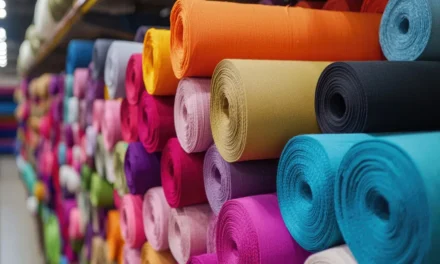






High-end fashion labels continue to use synthetic fabrics.
High-end fashion labels are increasingly incorporating synthetic fabrics into their collections, despite the long-standing tradition of using natural materials like silk, wool, and cotton. The shift towards synthetic textiles is driven by a combination of technological advancements, cost-effectiveness, and sustainability goals. Fabrics like polyester, nylon, acetate, and spandex offer a unique blend of durability, flexibility, and innovative design possibilities, making them appealing to high-fashion brands.
One of the key reasons luxury labels are embracing synthetic fabrics is their ability to mimic the properties of natural fibers while offering greater durability and ease of care. For example, synthetic fabrics are often more resistant to wrinkles, stains, and color fading, providing a practical advantage for consumers who seek long-lasting, easy-to-maintain garments. Additionally, performance fabrics like technical nylon and neoprene have become popular choices in high-end athleisure and streetwear lines, blending style with functionality.
Sustainability has also played a major role in the adoption of synthetic materials. With growing pressure on the fashion industry to reduce its environmental impact, many high-end brands are turning to recycled synthetics such as recycled polyester and nylon made from post-consumer waste like plastic bottles. By using these recycled fibers, luxury labels can promote themselves as environmentally conscious while still offering the luxurious feel and high-quality standards that consumers expect. This shift is part of the broader trend in fashion towards circular economy principles, where brands focus on reducing waste and maximizing the use of recycled materials.
Moreover, innovative synthetic fabrics are opening up new creative possibilities for designers. Materials such as 3D printed fabrics, smart textiles, and biodegradable synthetics are pushing the boundaries of fashion design, allowing for more intricate patterns, custom fits, and garments that adapt to changing conditions, such as temperature-regulating fabrics.
In summary, high-end fashion labels continue to embrace synthetic fabrics for their practical benefits, sustainability potential, and design flexibility, helping them stay relevant in an ever-evolving industry while meeting the demands of modern consumers. This evolution demonstrates that synthetic textiles are no longer just a commodity for budget fashion but a key element in the future of luxury fashion.